The Generalist Was Right All Along
The bottleneck in most rooms full of experts isn't expertise. It's translation. And AI is making that more true, not less.
I've written before about how AI might actually increase the value of traditionally "human" skills. Communication. Empathy. Leadership. Storytelling.
Which is why I found it interesting to see Anthropic recently posting a role paying up to $400,000 per year—not for an engineer or researcher, but for someone focused on helping shape how people understand and interact with the technology.
The more capable AI becomes, the more I find myself wondering if the bottleneck shifts away from technical capability and toward translation.
This is the exact point where expertise alone reaches its point of diminishing returns.
Experts are great. I have relied on countless experts over my career. The people who deeply understand the code, the implications of the code, how that code will interact with other languages, how those environments need to connect, and so on. Or they have that same depth of knowledge around the business, logistics, or whatever else their domain might be.
True expertise can be awe-inspiring.
And then you put those experts in a room together and ask them to come up with a solution. Each expert looks at the problem through the lens of their expertise. The tech expert looks for the most elegant or impressive technical solution, regardless of how well it hits the business mark. The business expert asks for things that aren't technically feasible or resilient. This room is filled with incredibly smart, capable, motivated people with great ideas... but they're all out of alignment.
This is where you want the translator, and that is who AI companies are increasingly shifting their recruitment budgets toward.
As these systems grow, mature, and become increasingly complex, translators are poised to be the key to unlocking meaningful solutions. Not because they can come up with the technical solution, but because they can hear and grasp the limitations, tradeoffs, and capabilities. Not because they can best articulate the KPIs or business needs, but because they can hear and grasp what people are really asking for.
The translator can sit in that room with those experts and help them better understand each other and where they're trying to go. They point all those experts in the same direction, bringing an aligned solution closer and closer into focus.
The translator isn't necessarily the smartest person in the room, and they're unlikely to be the one with the most domain expertise. They're the person who understands enough of each perspective to help everyone else see beyond their own.
This is a symbiotic system. Translators need experts to clearly define the parameters of what is possible and what needs to be accomplished. Experts need translators to find alignment and push for solutions that solve the problem within those parameters.
Either alone can do great things, but when the right translator is paired with the right experts, teams can transcend individual greatness and create something real, valuable, and lasting. Those translators are often also the people best suited to help stakeholders understand how a solution meets their needs and to help users understand how it will improve their day-to-day lives.
All without getting lost in the technical or business jargon that experts live in and that tends to cause stakeholders and users alike to wander off to their happy place until the experts are done talking.
For much of my career, I worried that I wasn't enough of an expert. I knew a fair amount about technology, business, project management, marketing, organizational change, and product development, but I was rarely the deepest expert in the room.
When I started recognizing that as an asset rather than a liability, I was finally able to see a clearer path ahead. I was then better able to not only see my own value, but to convey it.
Realizing that my ability to zoom out to a different angle than the experts while still maintaining a clear enough view into their worlds allowed me to bring the room into focus and alignment was key.
That is an expertise of its own, just not in the sense we typically think about expertise.
Perhaps we're poised to see the value of that type of expertise—the one that is a mile wide, spanning different domains at varying depths, able to find the connective tissue and bring it to light—move into the spotlight.
As AI grows more powerful, the most valuable people may not be the ones building the tools, nor the ones consuming them.
They may be the people helping everyone else understand each other.
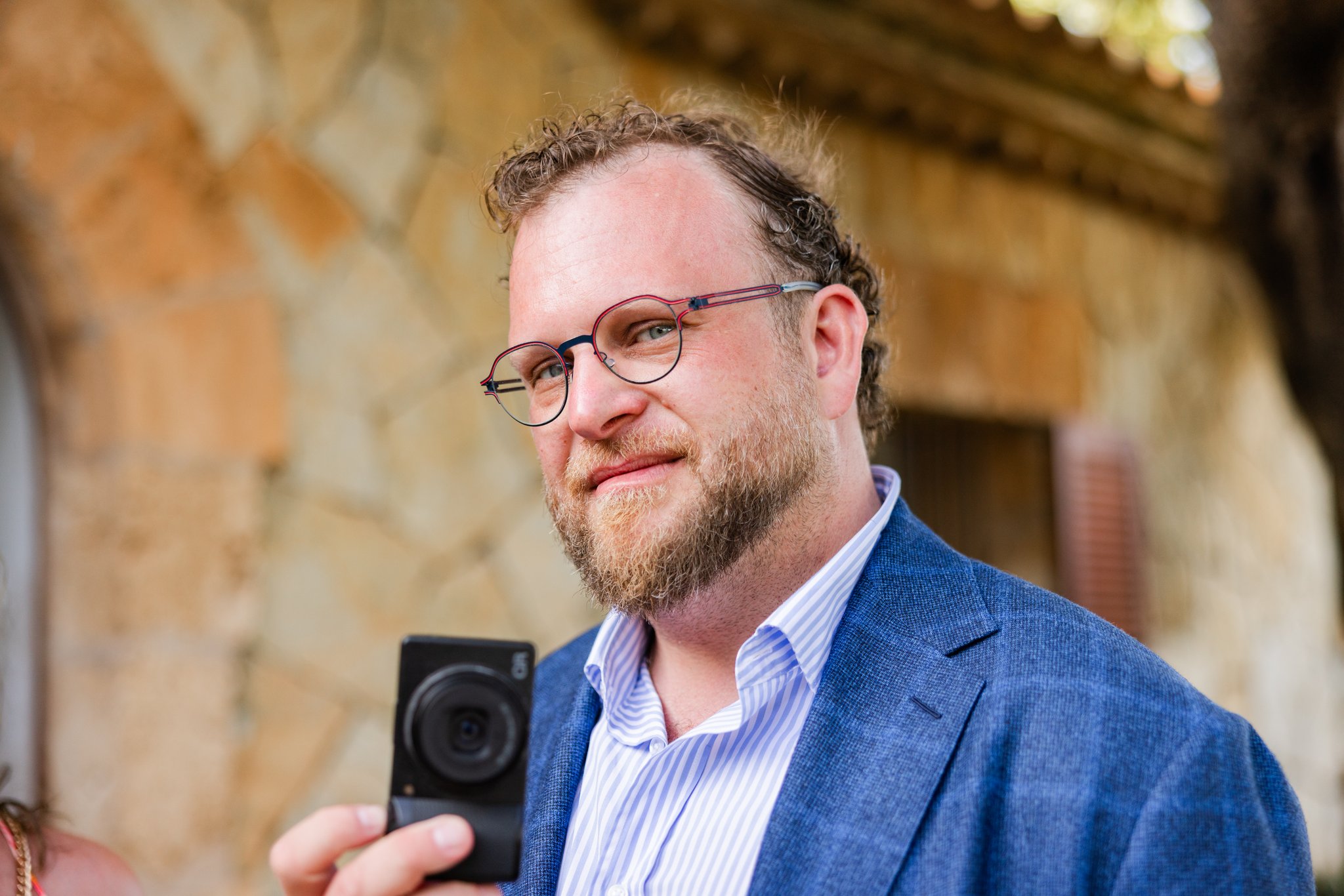
Ryan Yepsen
Ryan writes about enterprise AI, customer reality, systems thinking, and the operating conditions that make meaningful execution either possible or painful.